Nov 23, 2024
Blog

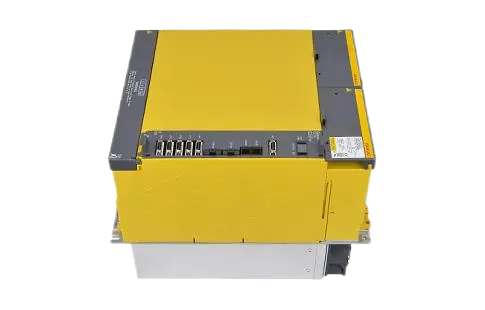
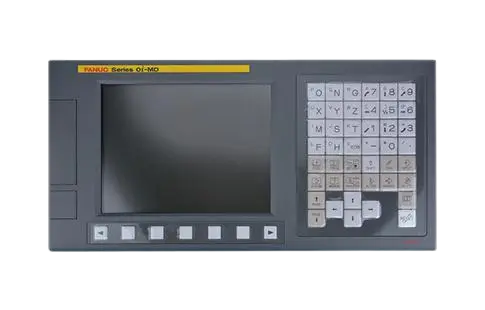

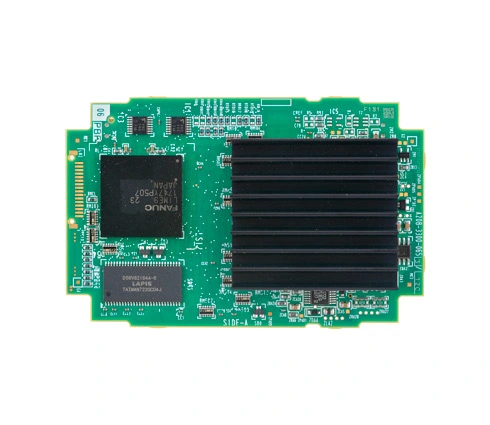
Purchasing a FANUC CNC controller is a significant investment for any manufacturing operation. Known for their reliability and advanced features, these controllers are an indispensable part of modern CNC machinery. To make an informed purchasing decision, businesses must understand the various factors impacting the cost of FANUC controllers, from entry-level models to high-end options. This article examines these cost drivers, reviews different models available, and discusses where to purchase FANUC controllers. Whether you're considering FANUC CNC control systems for the first time or just looking to upgrade, our guide provides the essential knowledge needed to choose the right product to fit your operational needs and budget.
The cost of FANUC CNC controllers can vary widely due to several factors. Understanding these elements can help businesses choose a controller type that aligns with their production requirements and budget.
| Factor | Impact | Description |
|---|---|---|
| Model Complexity | High | More advanced models with additional features tend towards higher price points. |
| Performance Capabilities | Medium | Controllers offering enhanced speed and precision typically cost more. |
| Customization Options | Medium | Personalization for specific industrial needs can increase costs. |
| Market Demand | Low | Generic demand fluctuations may influence temporary price changes. |
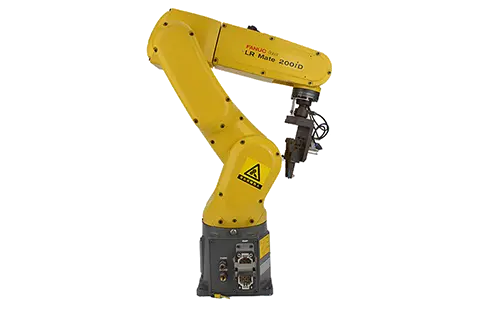
These considerations highlight the importance of evaluating each component for the intended application to ensure both performance efficiency and cost-effectiveness. Top-tier models might provide comprehensive control over complex systems, a critical feature for operations involving FANUC teach pendants or FANUC robot parts.
Entry-level FANUC CNC controllers are ideal for startups and small-scale operations that require dependable performance without the high cost. These models offer essential functionalities and are perfect for less complex machining tasks. The simplicity of entry-level controllers also means ease of use during setup and operation, making them a favorite choice for companies with limited resources for training on complex systems.
For example, the FANUC teach pendant associated with these models is typically user-friendly, allowing operators to swiftly program and supervise operations without needing extensive technical know-how. Consequently, these less costly controllers still offer excellent value coupled with high reliability and a manageable learning curve.
Cost-effective solutions are often available from authorized dealers who may provide sales on demo units or refurbished controllers, offering further savings to these companies without compromising on quality.
Mid-range models of FANUC CNC controllers balance cost and advanced features, making them suitable for medium-sized enterprises that require flexible yet sophisticated control systems. These controllers come equipped with more powerful computing capabilities, allowing them to handle larger workloads and provide more detailed outputs.
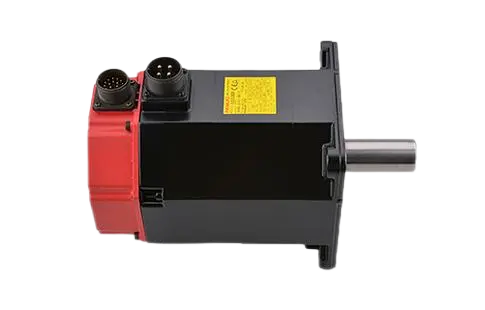
The FANUC pendant utilized in these systems supports enhanced operational versatility, which translates to increased productivity and efficiency on the shop floor. Additionally, mid-range controllers may offer options for integration with other systems like FANUC motors, maximally expanding their usability across various manufacturing processes.
Ultimately, these models present a robust solution for businesses looking to expand operational capacity without leaping into high-cost alternatives, thus bridging the gap between entry-level and high-end systems seamlessly.
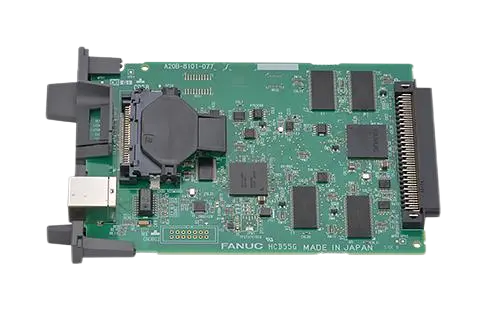
FANUC CNC controllers at the high end of the market are engineered for complex and demanding manufacturing applications where precision and performance are paramount. These controllers typically incorporate cutting-edge technology, offering unparalleled control over sophisticated machining and robotic operations.
Investing in these top-tier models guarantees access to state-of-the-art features that enhance productivity and efficiency. Accompanied by premium FANUC teach pendants, they ensure operators have the most optimal tools for intricate tasks, allowing for precise adjustments and seamless operation.
| Feature | Benefit |
|---|---|
| Advanced Computing Power | Maximizes productivity by efficiently processing complex designs and operations. |
| Extended Integration | Facilitates broader compatibility with supplementary systems such as specialized FANUC motor arrays. |
| Customization Capabilities | Enables tailoring of operations to specific manufacturing needs, enhancing overall capability. |
While these controllers come with a higher price tag, the long-term gains in performance can make them a lucrative investment for businesses focused on high-precision manufacturing.
Acquiring a FANUC CNC controller involves careful consideration not only of model and cost but also of your source for purchase. Several vendors offer comprehensive selections of FANUC products, from FANUC robot parts to full control systems, ensuring businesses can find precisely what they need.
Authorized distributors are often the best choice for the highest-quality sources, offering the most recent models complete with warranties and support. These dealers can also assist in locating specific parts required for complete system integrations or upgrades.
Online platforms also provide access to a broader range of products, though caution should be taken to ensure authenticity and quality. Additionally, attending industry trade shows or contacting existing supplier networks can uncover beneficial purchasing opportunities and exclusive deals.
Finding the right source not only guarantees optimal performance and reliability but also aligns with specific operational and budgetary constraints.
In conclusion, understanding the diverse range of FANUC CNC controllers is essential for making informed purchasing decisions that maximize value and performance. Evaluating factors ranging from entry-level simplicity to high-end sophistication ensures businesses can navigate the costs and advantages of each system domain expertly.
Choosing between different models based on operational requirements allows manufacturers to leverage the power and flexibility of FANUC systems effectively, leading to enhanced productivity and technological prowess.
References: