Nov 04, 2024
Blog

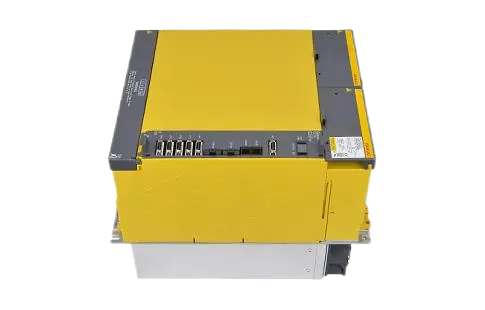
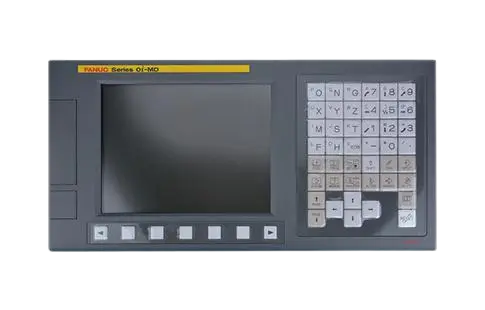
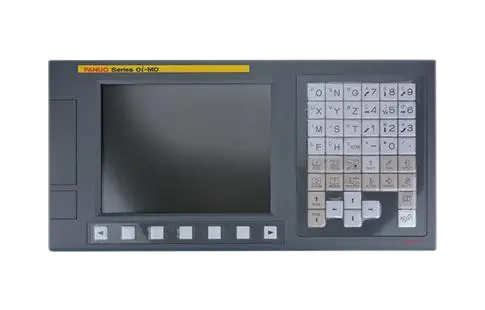

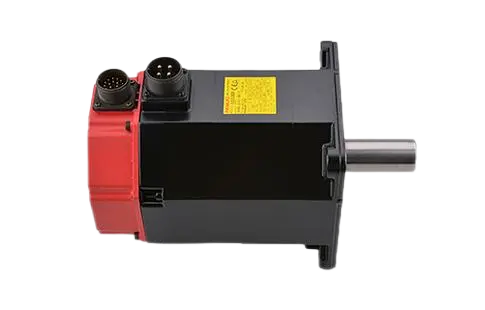
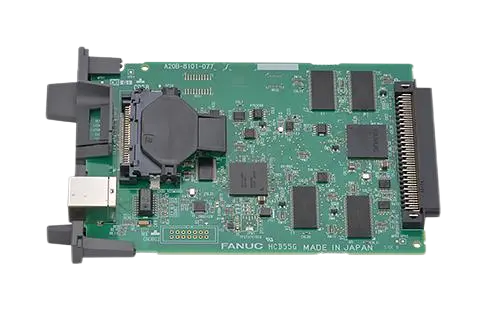
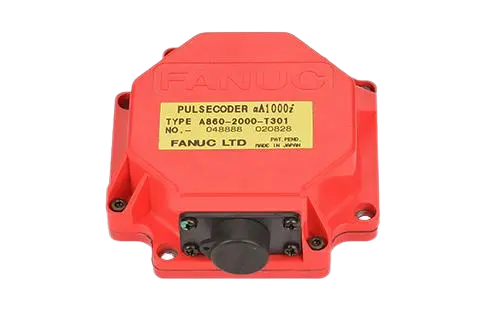
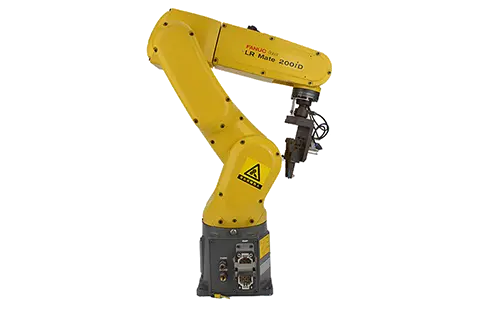
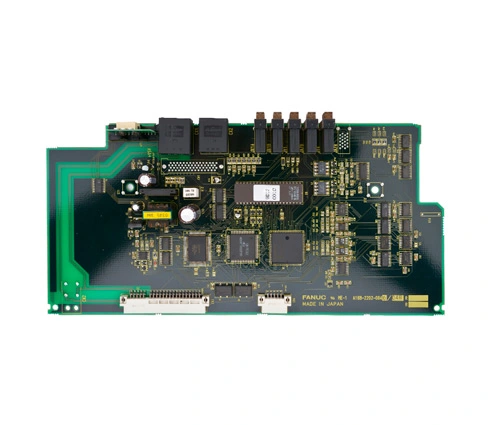
In the world of automation and computer numerical control (CNC), FANUC control systems are revered for their precision, reliability, and versatility. These systems play an essential role in various industrial applications, providing the backbone for operations ranging from assembly lines to robotic control. This guide offers a comprehensive look into FANUC CNC control systems, exploring their technological innovations, key features, historical evolution, and the myriad applications in modern manufacturing. Whether you're interested in FANUC parts, searching for a FANUC teach pendant, or simply aiming to deepen your understanding of FANUC systems, this resource will serve as your ultimate reference point.
FANUC is an acronym for "Factory Automation Numerical Control" and has become synonymous with cutting-edge CNC technology. The company behind this name has been instrumental in driving innovations in factory automation, robotics, and CNC systems globally. FANUC CNC controller is renowned for its ability to handle complex machining tasks with precision and efficiency, made possible through advanced algorithms and robust hardware integration.
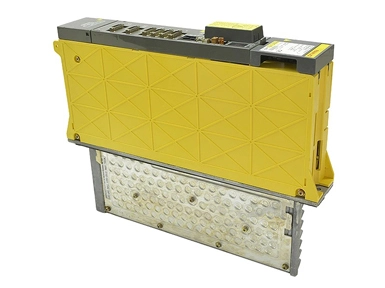
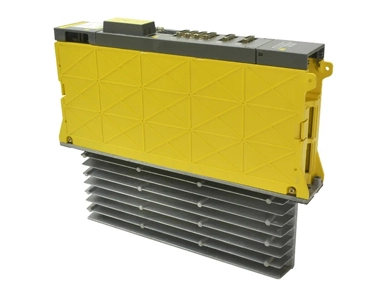
The key components of a typical FANUC system include the FANUC motor, FANUC teach pendant for operator interface, and the controller unit itself, which oversees the operations. These systems are designed to improve manufacturing productivity by supporting everything from simple machine tasks to intricate robotic operations. Their modular design often makes it easy to integrate with existing equipment, reducing downtime and maximizing throughput.
| Component | Function | Description |
|---|---|---|
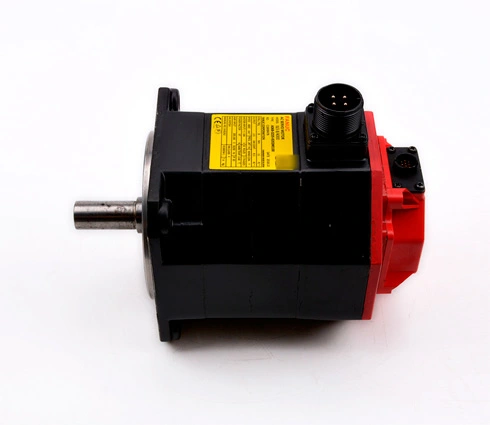
| FANUC Motor | Drives machine movements | High-torque, high-precision motors |
| FANUC Teach Pendant | Operator interface | User-friendly control interface |
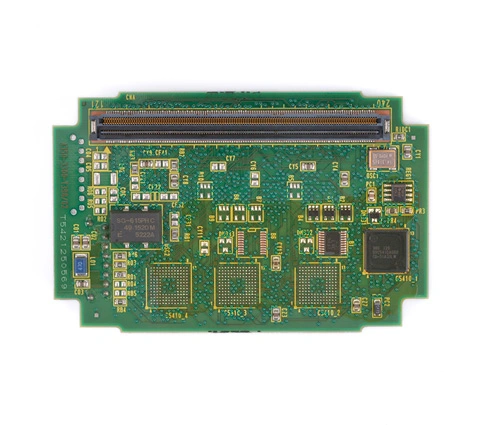
| FANUC CNC Controller | Manages operations | Powers the CNC system with precision commands |
FANUC control systems are characterized by a range of features that ensure superior performance. One of the standout features is the Real-time Adaptive Control, enabling machines to alter their operations based on real-time data from sensors embedded within FANUC robot parts. This means less waste, better accuracy, and enhanced overall performance.
Connectivity is another critical element of FANUC technology. With the increasing adoption of Industry 4.0, FANUC systems include state-of-the-art networking capabilities, allowing seamless data exchange with other machines, databases, and analytics tools. This connectivity supports predictive maintenance and facilitates proactive troubleshooting, significantly improving uptime.
Safety and usability are also pivotal in FANUC's design philosophy. FANUC pendants and control systems feature intuitive interfaces, making them accessible to both seasoned operators and new users. The systems incorporate safety features such as emergency stop functions and collision detection, ensuring that operations are not only efficient but also secure.
The evolution of FANUC is a testament to its commitment to excellence and innovation in CNC technology. Established in the 1950s, the company initially focused on automation technologies for the electrical industry. Through decades of research and development, it soon emerged as a leader in CNC controllers and robotics.
In the late 1970s and early 1980s, FANUC made significant strides by developing the first computer-controlled multi-functional robots, marking a pivotal point in industrial automation. This innovation laid the foundation for today's sophisticated robots controlled via FANUC CNC control systems. The ability to program and operate these robots from a central control system revolutionized manufacturing processes across the globe.
Aside from technological advancements, FANUC has also emphasized sustainability. Over the years, efforts to improve energy efficiency and reduce environmental impact have become integral to their product development strategy.
The versatility of FANUC CNC control systems is reflected in their widespread application across various manufacturing sectors. In the automotive industry, these controls manage robotic arms tasked with assembling car components with heightened precision and speed. The aerospace sector also benefits, with CNC systems ensuring the intricate detailing required for aircraft components.
FANUC CNC parts play a crucial role in these applications, offering durability and reliability that is second to none. Their systems support not only traditional CNC machining but also additive manufacturing technologies, such as 3D printing, which have become increasingly popular in prototyping and low-volume production.
Beyond heavy industries, FANUC's presence in food and beverage manufacturing is growing. The precision and hygiene ensured by their systems make them ideal for processes like cutting, packaging, and sorting. Moreover, these systems' adaptability supports rapid changes in production lines to meet evolving consumer demands.
The fundamental principle underlying FANUC CNC controllers is the precise control of machinery through numerical data. Commands are issued in G-code, a programming language that directs machine tools on how to cut, drill, and form materials into final products. The FANUC teach pendant plays a pivotal role in the setup and adjustment of these parameters, allowing easy programmability and efficient operational control.
In a typical setup, the operator enters the necessary machining commands via the FANUC pendant, translating them into machine movements controlled by the FANUC CNC control system. The controller processes these instructions using a set algorithm, optimizing tool paths and ensuring minimal deviation from intended designs.
Close-loop feedback systems are integrated to monitor performance and resolve discrepancies between commanded and actual operations, thus enhancing accuracy. The ability to integrate advanced diagnostics and automation ensures that FANUC control systems can evolve with emerging manufacturing requirements, sustaining their reputation for quality and innovation.
Whether operating a complex robotic assembly line or a single CNC machine, FANUC control systems encapsulate the blend of innovation, precision, and reliability that defines modern manufacturing. These systems have not only streamlined industrial operations but have also been pivotal in advancing automation technology.
The intricate design of FANUC components—from the FANUC motor to the teach pendant—demonstrates a profound understanding of manufacturing challenges. As industries continue to evolve, the demand for robust, adaptable, and efficient CNC systems is expected to rise, further solidifying FANUC's role as a leader in the field.