Nov 12, 2025
Blog

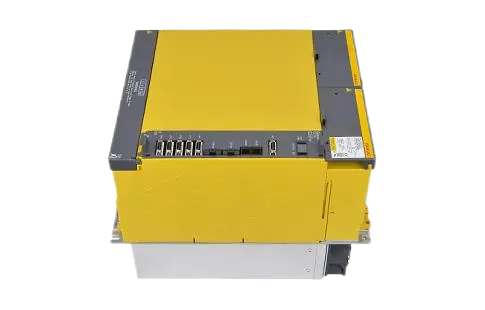
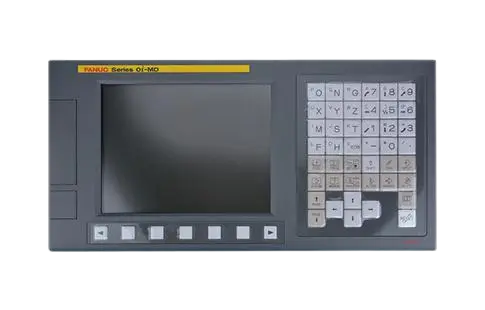

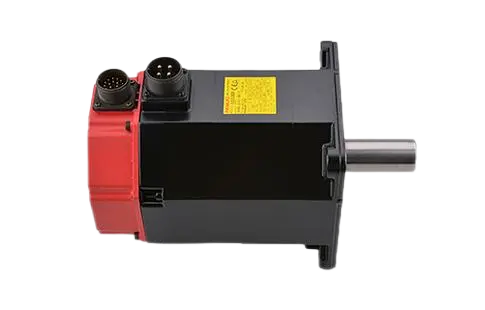
When it comes to CNC and industrial automation, FANUC drives are at the heart of precise motion control, spindle performance, and machine efficiency. Whether you're running a high-speed machining center or a heavy-duty lathe, choosing the right FANUC drive ensures stability, productivity, and long service life.
So, what are the different types of FANUC drives? Let's break them down from an industry perspective.
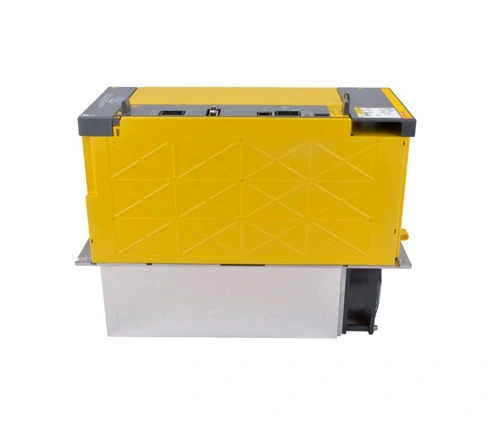
Servo drives are among the most common FANUC drives used in CNC machinery. They control the motion of servo motors, providing positioning accuracy, torque control, and high-speed response.
Typical Applications: CNC milling, turning, robotics, and multi-axis machining.
Advantages:
High-speed communication with FANUC CNC systems
Compact design with integrated amplifiers
Energy efficiency with regenerative braking
Example Models: A06B-6117 (αiSV series), A06B-6240 (servo amplifier modules).
These drives are critical for industries demanding precision machining and reliable axis control.
Spindle drives power the main spindle motor of CNC machines, controlling both speed and torque. They're designed to handle the demanding dynamics of machining processes.
Typical Applications: High-speed cutting, heavy-duty milling, grinding.
Advantages:
Smooth acceleration/deceleration
High torque at low speeds
Stable cutting performance at high RPM
Example Models: A06B-6102, A06B-6200 series spindle amplifiers.
These drives are essential for maintaining cutting quality and surface finish consistency in CNC operations.
In compact or multi-axis machines, dual-axis drives combine two servo channels into a single module, reducing both space and wiring complexity.
Typical Applications: Multi-axis machining centers, robots, and compact CNC equipment.
Advantages:
Space-saving design
Lower installation cost
Simplified maintenance
They are especially valuable for manufacturers looking to maximize floor space and reduce energy costs.
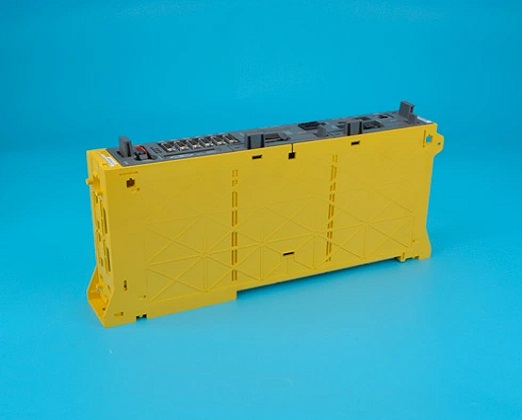
Every FANUC drive system requires a power supply module to feed controlled power into servo and spindle amplifiers. These modules are optimized for stability, safety, and energy efficiency.
Typical Applications: CNC machining centers, production lines with multiple FANUC drives.
Advantages:
Reliable power management
Integrated fault detection
Compact modular design
Example Models: A06B-6087, A06B-6110 series.
Without a stable FANUC power supply module, even the best servo or spindle drive cannot operate efficiently.
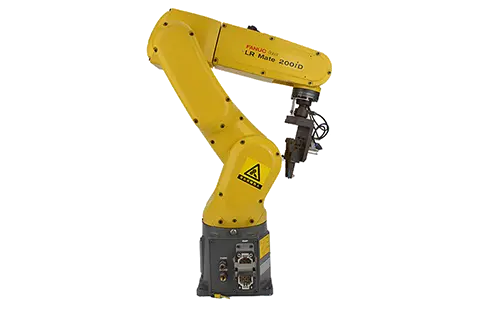
In FANUC industrial robots, dedicated robot drives control each joint with servo precision. These drives ensure smooth, coordinated motion for handling, welding, assembly, or packaging tasks.
Typical Applications: Robotics automation, material handling, palletizing, welding.
Advantages:
High precision in multi-axis motion
Optimized for synchronized movement
Compact integration within robot controllers
Robot drives are engineered to support high-speed repetitive motion with minimal downtime.
FANUC has a long history, and many machines still run on legacy drives such as the DC servo and older AC series. While newer α and αi drives dominate, these older drives are still maintained in many factories worldwide.
Typical Applications: Older CNC machines still in service.
Advantages:
Proven reliability over decades
Easier integration in legacy environments
Consideration: Limited availability; many customers now transition to retrofit solutions with modern FANUC drives.
The different types of FANUC drives—servo, spindle, dual-axis, power supply, robot-specific, and legacy units—each play a vital role in CNC machine performance. Choosing the right type depends on your application requirements, whether you need high-speed precision cutting, heavy-duty spindle torque, or compact robotic motion control.
At fanucbuy.com, we help manufacturers source genuine FANUC drive units, ensuring compatibility, reliability, and long-term value for their CNC investments.
What is the difference between FANUC servo and spindle drives?
Servo drives control axis motors for positioning and feed movement, while spindle drives power the main cutting spindle, focusing on torque and RPM control.
How do I know which FANUC drive my machine uses?
You can check the nameplate on your existing drive (e.g., A06B-xxxx series) or consult your CNC machine's parts manual.
Are FANUC drives interchangeable between systems?
Not always. Drives are system-specific, and compatibility must be confirmed with the CNC control model and machine configuration.
Can I still buy FANUC legacy drives?
Yes, some legacy models are available as refurbished units, but most customers choose to retrofit with modern FANUC drive systems for improved reliability.