Sep 24, 2025
Blog

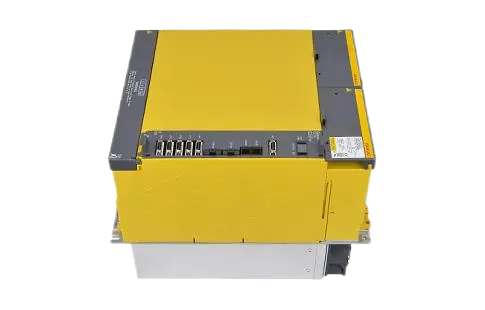
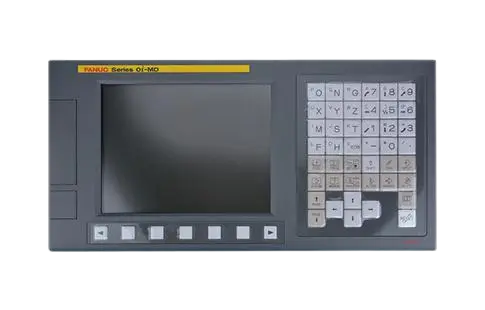

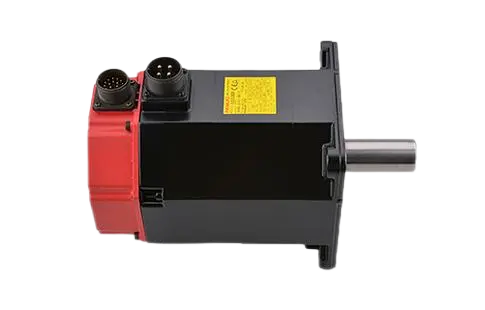
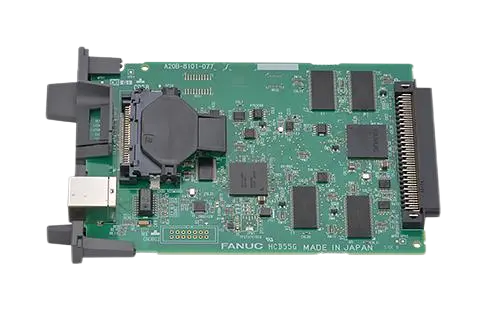
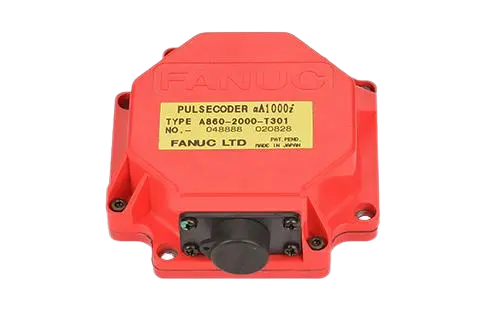
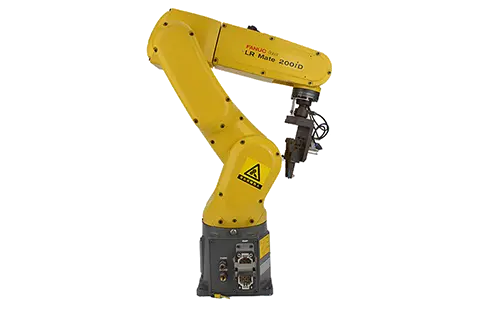
When selecting servo systems for high-performance industrial applications, one of the most common technical questions we encounter is: what's the difference between AC servo and DC servo systems? The short answer: AC servo systems offer superior performance, efficiency, and reliability in demanding automation environments, while DC servo systems—though historically foundational—are now largely reserved for legacy equipment and niche applications.
As a long-standing FANUC distributor, we consistently guide customers toward optimal motion control solutions. In most modern CNC and robotics scenarios, particularly where FANUC is involved, AC servo technology is the industry standard.
Below is a technical comparison that outlines how AC and DC servo systems differ in terms of design, performance, and industrial applicability.
| Feature | AC Servo | DC Servo |
Motor Type | Uses alternating current; typically 3-phase | Uses direct current; often brushed motors |
Maintenance | Low – no brushes | High – brushes wear out over time |
Speed & Torque Performance | High-speed, high torque-to-weight ratio | Slower speed, limited torque response |
Heat Dissipation | Better due to brushless design | Generates more heat due to brushes |
Durability | Excellent for continuous operation | Shorter life cycle under continuous load |
Position Feedback | Advanced encoders and resolvers | Typically uses tachometers or basic encoders |
Use in Modern CNCs | Standard in high-end systems | Limited to older or low-cost systems |
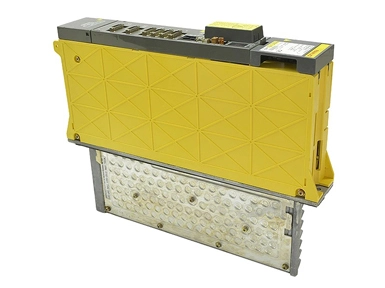
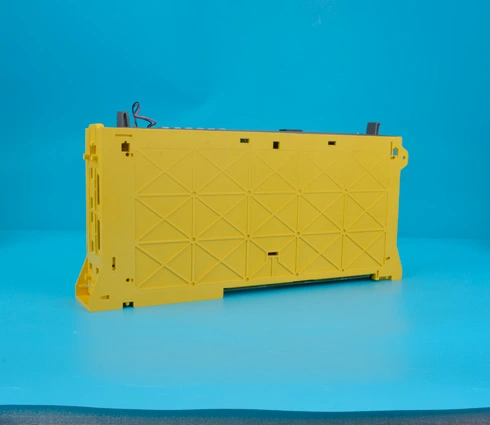
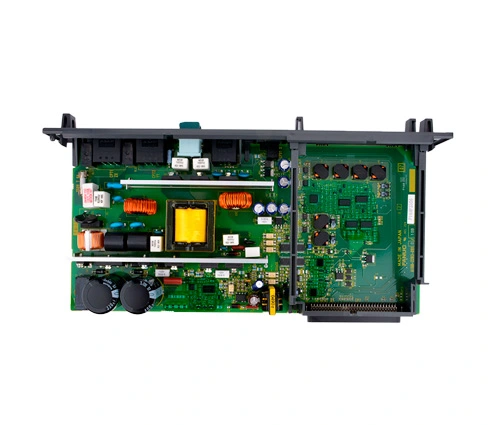
In today's industrial automation landscape, AC servo systems have become the default standard, especially when precision, durability, and dynamic response are critical. The fanuc ac servo drive, for example, is engineered to meet the performance requirements of high-speed CNC machines, robotic arms, and automated production lines.
FANUC AC servo drive features:
High-resolution feedback control
Seamless integration with spindle drives and I/O systems
Advanced thermal management and diagnostics
Reliable operation in 24/7 environments
Because these drives are designed for compatibility with FANUC's proprietary motors and control systems, they deliver unmatched motion smoothness and positional accuracy.
While DC servo systems are largely considered legacy technology, they still exist in:
Older CNC systems or retrofitted machines
Low-cost educational or training equipment
Small-scale laboratory setups
However, for new industrial investments, especially in sectors like automotive, aerospace, medical device manufacturing, and electronics, DC servos are rarely specified due to their mechanical limitations and higher long-term maintenance costs.
The move toward Industry 4.0 and smart manufacturing demands systems that are:
Highly responsive
Network-integrated
Capable of predictive maintenance and real-time diagnostics
AC servo systems—particularly FANUC's advanced models—are built with this in mind. The fanuc ac servo drive supports high-speed communication protocols and data logging, which are critical for production monitoring and automation system optimization.
To summarize, the main differences between AC and DC servo systems boil down to:
AC servos are brushless, more durable, and better suited for high-performance, continuous-use environments.
DC servos, though simpler, are largely outdated for modern industrial applications.
If you're evaluating motion control options for a CNC machine or robotic cell, AC servo systems—like those offered in the FANUC ecosystem—are the clear choice in terms of performance, efficiency, and lifecycle value.
For applications requiring robust, scalable motion control, the fanuc ac servo drive is the preferred solution trusted by manufacturers worldwide.