Sep 08, 2025
Blog

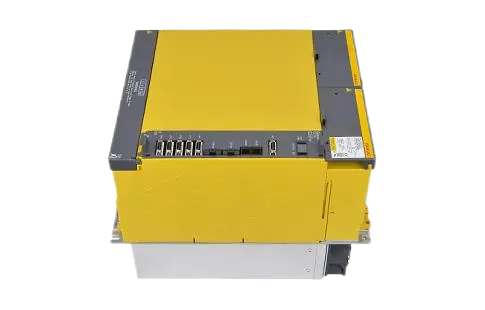
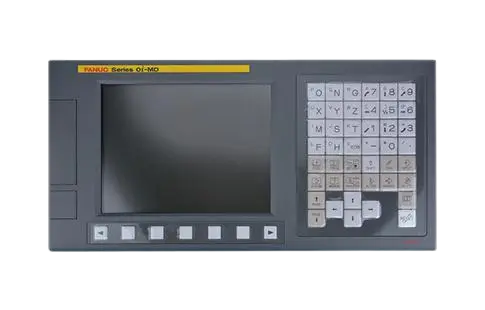

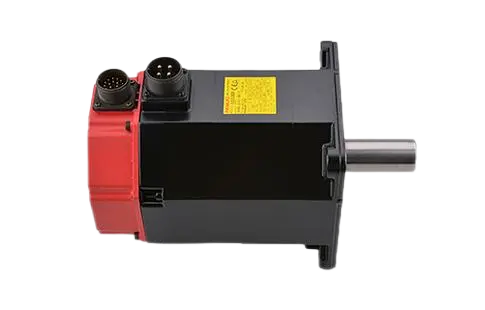
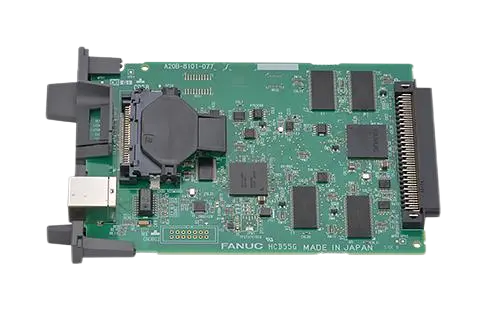
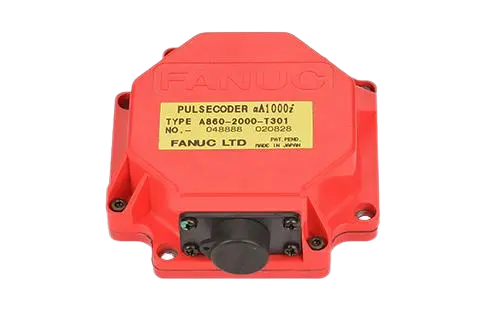
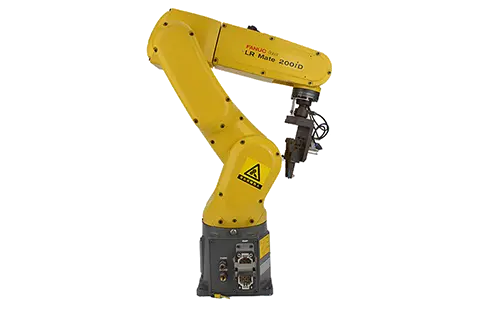
The world of CNC machining has been revolutionized by advancements in controller technology, with FANUC CNC control system being at the forefront of this innovation. Understanding the different types of FANUC controllers can greatly enhance your ability to optimize manufacturing processes, ensure precision, and increase productivity. This article examines the various types of FANUC controllers, their specific features, applications, evolutions over the years, and end-user experiences. Whether you are integrating a FANUC motor or using a FANUC teach pendant, having a comprehensive understanding of these controllers is essential for modern manufacturing success.
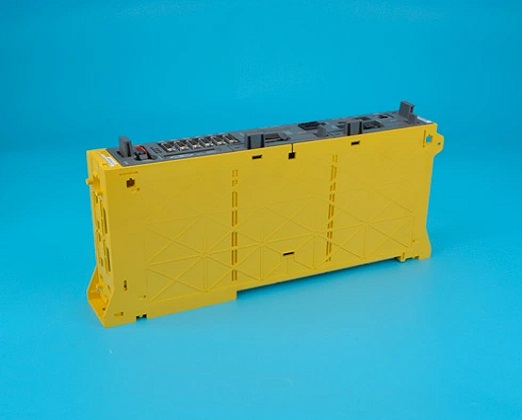
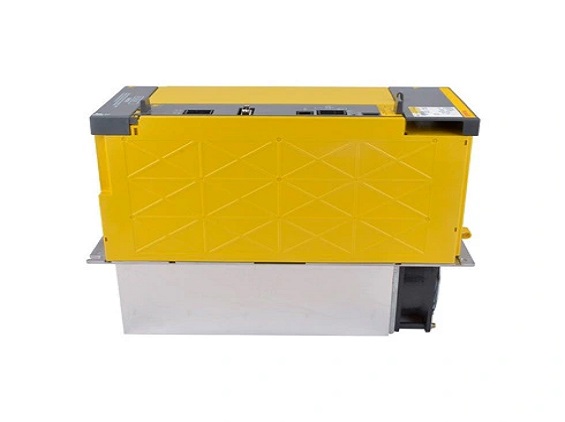
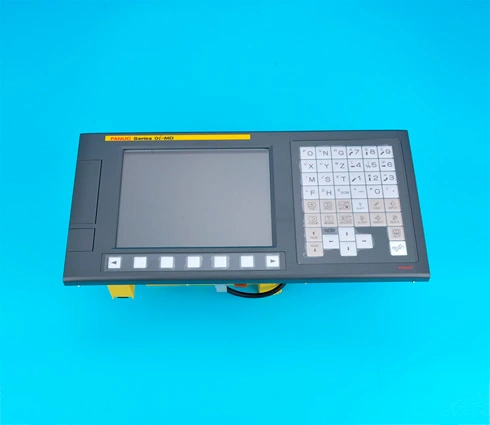
FANUC offers a range of controllers designed to meet different needs in the manufacturing sector. These controllers are integral to the operation of FANUC robot parts, serving as the brain that guides CNC machines' functions ranging from basic lathes to complex machining centers. Understanding these varieties can help with informed decision-making, particularly if you're choosing between models, such as the FANUC 0i, 16i, 18i, 30i, and 31i systems. Key to choosing the right FANUC CNC controller is understanding the scope of your operations and the specific requirements of your machinery.
Controller Model | Key Application | Features |
FANUC 0i | Entry-Level CNC Machines | Basic 3-axis machining, user-friendly |
FANUC 16i | Medium Complexity Operations | Multitasking, high precision |
FANUC 18i | Advanced CNC Applications | Integrated AI capabilities |
FANUC 30i/31i | High-End Precision Tasks | Complex 5-axis machining |
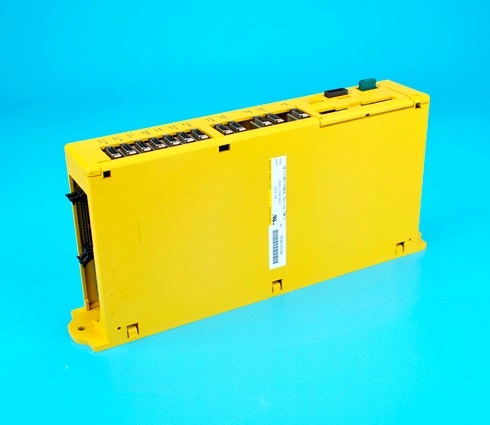
Each series of FANUC CNC controllers comes with distinct features tailored to its target applications. The entry-level FANUC 0i series is renowned for its simplicity and cost-effectiveness, making it ideal for small shops. Mid-tier models like the 16i and 18i series offer enhanced functionalities suitable for a broader range of tasks and industries. These include multitasking capabilities and the ability to run more complex procedures, which are crucial for medium to large-scale operations. On the high-end, the 30i and 31i series provide unmatched precision and control, equipped with FANUC CNC controller innovations such as AI for predicting tool wear and optimizing tool paths.
FANUC CNC control system models find applications across various industries, each suited to particular tasks and operational scales. Entry-level CNC applications benefit from the simplicity and user-friendliness of the FANUC 0i, best suited for small-scale manufacturing and educational purposes. The 16i and 18i series cater to industries requiring medium complexity in machinery operations, such as automotive and general manufacturing. High-precision tasks, such as in aerospace or defense, demand the capabilities of the 30i and 31i series, where 5-axis machining precision and efficiency are paramount.
Over the decades, FANUC has been a pioneer in enhancing CNC control technology, providing an evolving array of features aimed at increasing machine reliability and efficiency. From the introduction of basic numeric controls to today's AI-enhanced systems, FANUC controllers have consistently set industry standards. This evolution reflects the integration of more intuitive interfaces like the FANUC pendant and FANUC teach pendant, which have improved over time to facilitate easier operation and quicker setup. Moreover, the streamlined design and enhanced connectivity of newer models enable seamless integration with smart manufacturing practices.
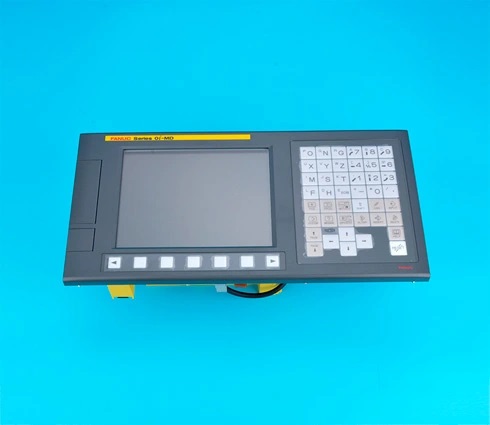
User feedback varies dramatically between different FANUC CNC controller models, providing invaluable insights into real-world functionalities and challenges. Users frequently appreciate the robustness and user-friendly nature of the 0i series, especially in educational setups and entry-level applications. For the 16i and 18i series, users often highlight the systems' multitasking abilities and reliability in demanding industrial environments. The 30i and 31i series are praised for their cutting-edge technology and precision in high-stakes industries. Overall, regardless of the model, FANUC's reputation for durability and support is a consistent theme highlighted by end-users.
In conclusion, understanding the nuances and capabilities of the diverse range of FANUC CNC control systems is crucial for anyone involved in manufacturing. From selecting the right FANUC motor to integrating the best FANUC robot parts, knowledge of these systems enables more effective decision-making and optimizes process efficiency. As CNC technology continues to advance, staying informed about the latest developments in FANUC controllers will help maintain competitive advantages in precision manufacturing.